
Three Peaks Challenge
Taking on the Three Peaks Challenge is an unforgettable journey that pushes both body and mind to their limits while showcasing some of the UK’s most breathtaking landscapes. Climbing Ben Nevis, Scafell Pike, and Snowdon within 24 hours demands determination, teamwork, and careful preparation—but the reward is a profound sense of achievement that few experiences can match.
From the rugged Scottish Highlands to the dramatic Lake District and the sweeping views of Snowdonia, each peak offers its own unique beauty and challenge. Whether you’re fundraising for a cause or seeking a personal milestone, completing the Three Peaks Challenge is a powerful reminder of what can be accomplished with resilience, planning, and a spirit of adventure.
Ben Nevis
Ascent time 3.5-5hours.
17km (10.5miles)
Start: Glen Nevis Youth Hostel.

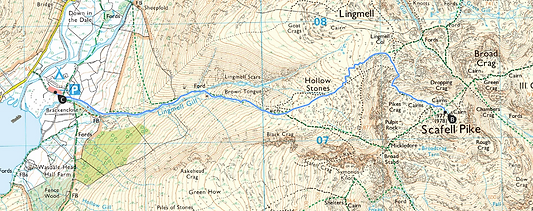
Scafell Pike
Ascent time 2.5-4hrs.
10km (6 miles)
Start: Wasdale Campsite
Snowdon – Yr Wyddfa
Ascent time 2.5-4hours
13km (8 miles)
Start: Pen y Pass car park

Timings
06:00 Start Ben Nevis
11:00 Finish Ben Nevis, begin 6hr drive to Scafell Pike
17:00 Arrive at Wasdale & start Scafell Pike
21:00 Finish Scafell Pike, begin 5hr drive to Snowdon
02:00 Arrive at Pen Y Pass & start Snowdon
06:00 Finish Snowdon
Equipment list
Mandatory items
-
Walking boots (with ankle support, not trail shoes or trainers)
-
Headtorch
-
Waterproof jacket and waterproof overtrousers (ideally with taped seams)
-
Spare warm jacket / jumper for rucksack
-
Hiking socks (wearing a single pair recommended, rather than using a liner sock)
-
Backpack (approx. 20-40 litre size)
-
Water container (bottle or Camelback style, 1-2 litres)
-
Hill snacks (cereal bars, dried fruit, nuts)
-
Gloves
-
Hat (covering ears)
Recommended Clothing
-
Walking trousers or sports leggings (not jeans or tracksuit trousers)
-
Sports top (not cotton)
-
Warm outer layer
-
Changes of clothes
Recommended items / extras
-
Sunglasses & suncream
-
Walking poles
-
Light shoes / sandals
-
Thermal underwear
-
Backpack raincover
-
Travel sickness tablets
Training
These challenges are best approached with consistency and stamina rather than rushing for speed. If you’re building up your fitness, starting with a shorter or less demanding route can help develop confidence before progressing further.
Regular hillwalking is one of the most effective ways to prepare, giving you a feel for your pace, gear, nutrition, and how your body handles descents. If hills are scarce, repeating smaller inclines and spending longer on your feet can still build endurance.
It’s important to train in the equipment you plan to use on the day, ensuring comfort and reliability. Any form of steady aerobic exercise will support your preparation, especially when paired with basic strength work to support joints during long downhill sections.
Prioritise walking or hiking, and complement it with activities like running, cycling, swimming, or rowing—whatever you can maintain consistently. Simple bodyweight exercises such as squats, lunges, step-ups, and calf raises will also help build the strength needed for the challenge.
How fit do I need to be? You should have solid stamina and be capable of handling sustained uphill walking without needing regular extended breaks. A common benchmark is completing an ascent and descent of Snowdon in around four hours under good conditions, though the exact time will depend on the route and weather.
How fast do I need to walk? On a typical challenge day, groups usually maintain an average pace of roughly 3 1/2 - 5 1/2 km per hour.
Walking at night
Some Three Peaks challenges may mean setting off before dawn, finishing after dark, or walking in limited visibility, so the priority is to stay safe, keep a steady rhythm, and reduce fatigue-related mistakes.
It helps to practise an evening walk using a head torch on mixed terrain, using a lower brightness setting to save battery, and getting comfortable with quick layer changes like putting on waterproofs without unpacking everything.
When moving as a group, keep a sensible distance so you can see both your footing and the person ahead, communicate any hazards such as loose rocks or slippery steps, and make sure everyone is aware if the group stops to prevent gaps forming.
Guides
Matt Prince
Matt earned his Mountain Leader qualification in 2015 and has since developed into a highly experienced mountaineering and climbing instructor; the UK’s top summer mountaineering award.
Over the years, he has climbed across the UK as well as the French Alps, Italy, Austria, Greece, Jordan, Morrocco & Norway.


James Redfearn
James qualified as a Mountain Leader in 2014 and regularly leads Duke of Edinburgh groups as well as Scout expeditions in the mountains.
He has spent years exploring the outdoors, with walking and climbing experience across the UK and throughout Europe.